 Chicago
 Wheaton
Blog


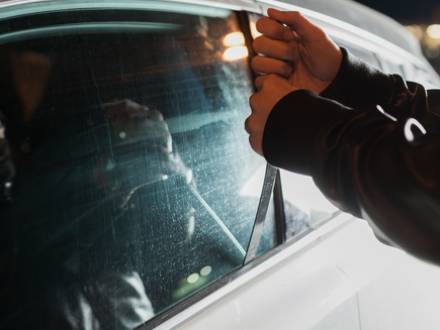 One of the key elements in charging most crimes is the intent of the person accused of committing the crime. When a crime is committed, your intention can make all the difference — not only with regard to the crimes you are charged with, but also in what the prosecutor will be able to prove in court. One area where intent is particularly important is when a car goes missing.
At Davi Law Group, LLC, our DuPage County, IL criminal defense attorney can help if you have been accused of stealing a car. As a former prosecutor, Dion Davi has a deep understanding of the law, allowing him to carefully strategize in misdemeanor and felony cases.
In Illinois, car theft is generally handled under the state’s general theft law. The theft statute requires the intention to permanently deprive the rightful owner of the use or the benefit of the property.
Theft of a car can involve different kinds of conduct. Taking a car and selling it to someone else would be considered theft. For the purposes of the law, it doesn’t matter if you keep the stolen property or not. All that matters is that you intended to permanently deprive the owner of that property. This applies even if you didn’t profit from the theft.
In Illinois, stealing a motor vehicle is treated as a serious crime. Most car theft cases are charged as felonies. That is because cars usually have a value high enough to meet the felony threshold under state law.
When someone is accused of taking a vehicle without the owner’s consent and with the intent to permanently deprive the owner of it, prosecutors often file a charge for theft of a motor vehicle, an offense that is typically charged as a Class 2 felony. A Class 2 felony in Illinois carries a possible sentence of three to seven years in prison with fines of up to $25,000. A judge may also order restitution, meaning the accused must repay the victim for losses.
Car theft can also lead to other charges. If the vehicle was damaged, stripped for parts, or transported across state lines, additional criminal counts may be filed. Each added charge increases the legal risk.
A felony conviction does not end with jail time or fines. It creates a permanent criminal record. That record can affect job opportunities, housing options, and professional licenses. For many people, the long-term impact is just as serious as the sentence itself.
When someone uses a car that he or she has no right to for a "joyride," then he or she will have committed the crime of trespass to vehicles (720 ILCS 5/21-2). You can even face this charge without actually operating the vehicle. Merely entering a car without authorization is enough to trigger criminal prosecution.
This crime is a Class A misdemeanor. While "misdemeanor" may sound mild, a conviction of this offense can still carry up to $2,500 in fines and possible jail time of up to 364 days. If you were to take a car and then park the car across the street from the owner’s house, you might be charged with trespass to vehicle instead of theft. If the prosecution alleges that the owner couldn’t get his or her car back, it could be charged as theft instead.
Intent remains a key issue in car theft cases. Prosecutors must prove that the accused intended to permanently deprive the owner of the vehicle. That mental state matters.
If there is evidence that the accused only meant to borrow the car and return it, the charge could be reduced. In some cases, it may be more appropriate to charge the offense as criminal trespass to a vehicle instead of felony theft. Criminal trespass is often a misdemeanor, which carries lighter penalties.
The law also requires proof that the person acted "knowingly and without authority." This language is important. A person does not commit theft by mistake. If someone believed they had permission to use the vehicle, that belief can become part of the defense.
For example, confusion over shared vehicles, family cars, or permission given in the past may create doubt. If the accused reasonably thought they were allowed to take the car, that weakens the prosecution’s case. In some cases, an honest misunderstanding can serve as the basis of a defense.
Carjacking is different from simple car theft or joyriding. In Illinois, the crime is called vehicular hijacking. It involves taking a motor vehicle from a person by force or by threatening the use of force.
Vehicular hijacking is usually charged as a Class 1 felony, punishable by four to 15 years in prison. This can have life-changing implications, as a violent felony conviction will raise serious concerns in a background check.
You can face even more serious penalties for aggravated vehicular hijacking. This charge applies when various factors are present, such as when the accused used a firearm, carried a dangerous weapon, or caused serious injury. It can also apply if there was a passenger under 16 present or a driver over 60.
As a Class X felony, aggravated vehicular hijacking is punishable by anywhere from six to 30 years in prison. Depending on the circumstances, you could also face strict minimum prison sentences, especially if somebody was badly hurt. Given the seriousness of this offense, working with a criminal defense attorney is critical for protecting your future. While we cannot guarantee any outcome, our firm can challenge the prosecution’s case, or look into mitigating factors that could lead to a lesser sentence.
If you have been charged with car theft, joyriding, or carjacking, you need to speak with an experienced DuPage County, IL criminal defense attorney immediately. Do not talk to anyone about your case until you speak to an attorney.
Our firm is here to stand up for your rights. Call 630-580-6373 to schedule a free initial consultation with Davi Law Group, LLC today.
 A lawyer’s time and advice are his stock and trade.

 28371 Davis Parkway, Suite 103, Warrenville, IL 60555
 (630) 657-5052
 (888) 350-9195
1776 S. Naperville Road, Building A, Suite 105, Wheaton, IL 60189(630) 580-6373(888) 350-9195
321 N. Clark Street, Suite 900, Chicago, IL 60654(312) 985-5676(888) 350-9195
58 N. Chicago Street, Suite 102,(815) 582-4901(888) 350-9195
(888) 350-9195
1776 S. Naperville Road, Building A, Suite 105, Wheaton, IL 60189(630) 580-6373(888) 350-9195
321 N. Clark Street, Suite 900, Chicago, IL 60654(312) 985-5676(888) 350-9195
58 N. Chicago Street, Suite 102,(815) 582-4901(888) 350-9195



